Easy Chinese Beef and Broccoli Recipe
Chinese Beef and Broccoli is one of those dishes that feels both incredibly satisfying to make at home and remarkably authentic. The tender slices of beef, coated in a glossy sauce, mingling with crisp-tender broccoli florets – it’s a classic for a reason. It’s the kind of meal I often make on a weeknight when I’m craving something flavorful and comforting, but don’t have hours to spend in the kitchen. The key to getting that restaurant-style texture and taste lies in a few simple steps, particularly how we prepare the beef and the sauce. It’s surprisingly quick once you get the hang of it, and the result is far superior to anything you’d get from a takeout container. The bright green broccoli and savory beef create a beautiful contrast that’s as pleasing to the eye as it is to the palate. This recipe breaks down those restaurant secrets so you can recreate it perfectly every time.
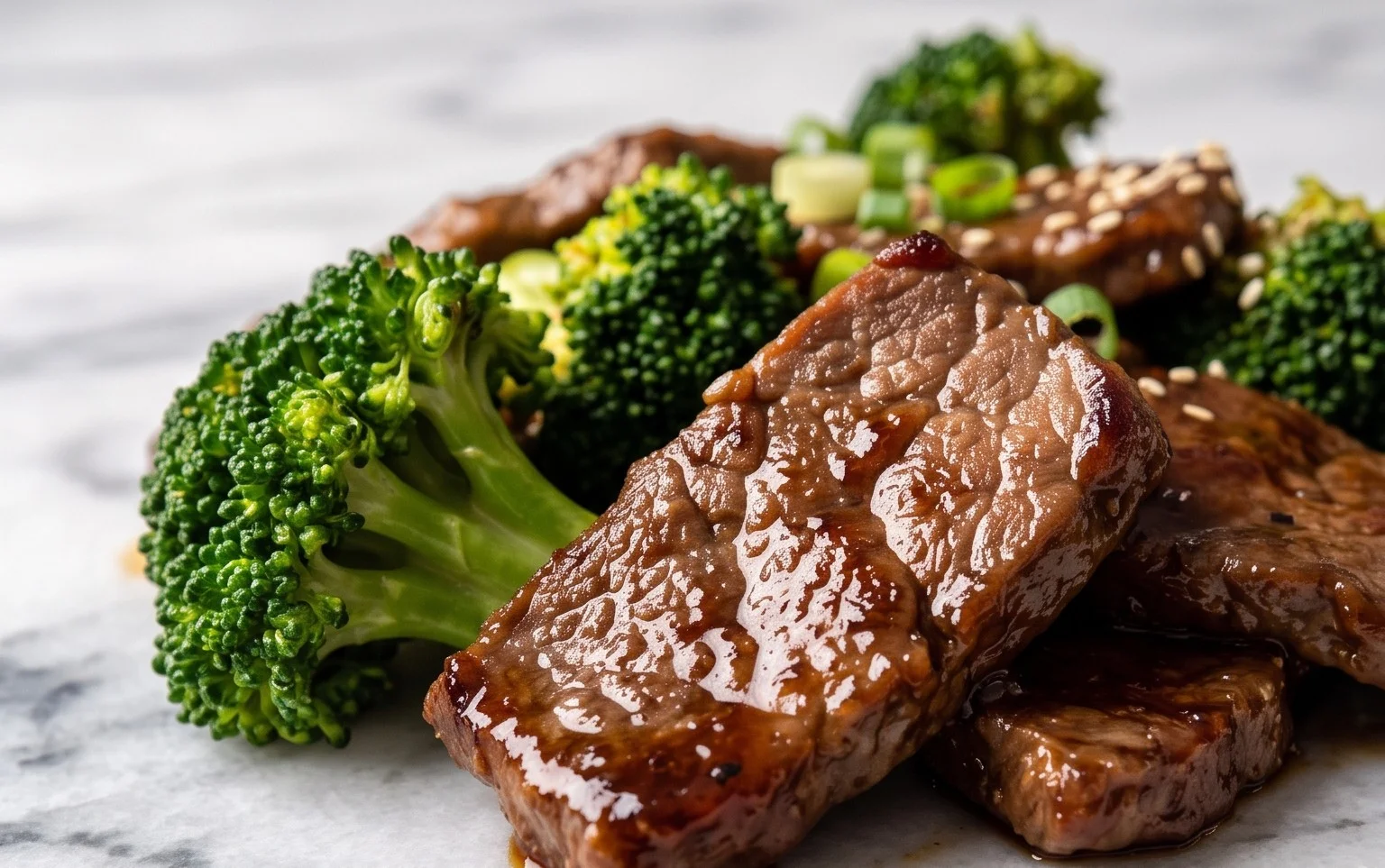
Chinese Beef and Broccoli (牛肉炒西兰花)
Chinese Beef and Broccoli is one of those dishes that feels both incredibly satisfying to make at home and remarkably authentic. The tender slices of beef, coated in a glossy sauce, mingling with crisp-tender broccoli florets – it’s a classic for a reason. It’s the kind of meal I often make on a weeknight when I’m craving something flavorful and comforting, but don’t have hours to spend in the kitchen. The key to getting that restaurant-style texture and taste lies in a few simple steps, particularly how we prepare the beef and the sauce.
Ingredients:
- 1 lb flank steak (, skirt steak, or other cut (*see footnote 1))
- 1 tablespoon soy sauce
- 1 tablespoon peanut oil ((or vegetable oil))
- 1 tablespoon cornstarch
- 1/2 teaspoon baking soda ((Optional) (*see footnote 1))
- 1/2 cup chicken stock ((or beef stock))
- 2 tablespoons Shaoxing vinegar ((or dry sherry vinegar vinegar))
- 2 tablespoons soy sauce
- 1 teaspoon dark soy sauce ((*footnote 2))
- 2 teaspoons brown sugar ((or white sugar))
- 1 tablespoon cornstarch
- 1 head broccoli (, cut to bite-size florets)
- 1 tablespoon peanut oil (or vegetable oil) ((*Footnote 3))
- 3 garlic cloves (, minced)
- 2 teaspoons ginger (, minced)
Preparing the Beef and Broccoli
First, let’s get our main components ready. For the beef, it’s essential to slice it thinly against the grain. This makes a huge difference in tenderness. I like to partially freeze the steak for about 30 minutes before slicing; this firms it up and makes it much easier to get thin, even cuts. Once sliced, we’ll marinate it. In a medium bowl, combine the beef slices with 1 tablespoon of soy sauce, 1 tablespoon of peanut oil, and 1 tablespoon of cornstarch. If you’re using the optional baking soda, add it here too. The baking soda acts as a tenderizer, breaking down some of the beef’s proteins to make it even more melt-in-your-mouth. Mix everything thoroughly, ensuring each slice is coated. Let this marinate for at least 15 minutes while you prepare the rest of your ingredients.
Next, the broccoli. Wash your head of broccoli and cut it into bite-size florets. You can also include some of the tender parts of the stem, just peel them and slice them thinly. We want all the parts to cook evenly. A quick blanch or steam will ensure the broccoli is tender-crisp, not mushy. To blanch, bring a pot of water to a boil, add the broccoli florets and cook for about 1-2 minutes, just until they turn bright green. Immediately drain and rinse under cold water to stop the cooking. Alternatively, you can steam the broccoli for about 3-4 minutes. Set aside.
Making the Sauce
Now, let’s put together the flavorful sauce that will bring everything together. In a small bowl or liquid measuring cup, whisk together the chicken stock, Shaoxing vinegar, 2 tablespoons of soy sauce, dark soy sauce, brown sugar, and the remaining 1 tablespoon of cornstarch. Dark soy sauce is mostly for color and a deeper, slightly more complex flavor, so don’t skip it if you can find it. Stir until the cornstarch is completely dissolved and there are no lumps. Having this ready to go is important because the stir-frying process moves quickly.
Stir-Frying the Beef
We’re going to cook the beef in batches. This is a critical step to avoid overcrowding the pan, which would steam the beef instead of searing it, resulting in a less-than-ideal texture. Heat a wok or large skillet over high heat. Add 1 tablespoon of peanut oil and swirl to coat the pan. Once the oil is shimmering hot, add about half of the marinated beef in a single layer. Let it sear undisturbed for about 1 minute, then stir-fry until browned and cooked through, about another 1-2 minutes. Don’t overcook it at this stage; it will cook a little more when combined with the sauce. Remove the browned beef from the pan and set it aside. Repeat with the remaining beef.
Building the Dish
With the beef out of the pan, lower the heat slightly to medium-high. Add another tablespoon of peanut oil to the same wok or skillet. Add the minced garlic and ginger and stir-fry for about 30 seconds until fragrant, being careful not to burn them. This is where all those wonderful aromas start to develop. Pour the prepared sauce mixture into the pan. Stir constantly as the sauce heats and begins to thicken, which should only take about 1-2 minutes.
Once the sauce has thickened to your desired consistency, return the cooked beef to the pan. Add the blanched or steamed broccoli florets as well. Toss everything together gently to coat the beef and broccoli evenly with the glossy sauce. Cook for another minute, just to heat everything through and allow the flavors to meld. You want the broccoli to remain crisp-tender and the beef to be perfectly coated and heated.
Serve immediately over steamed rice. The sauce is perfect for spooning over the rice.
Footnote 1: Flank steak and skirt steak are excellent choices for their texture and flavor. If using a different cut, ensure it’s relatively tender and slice it very thinly against the grain. Baking soda is an old-school Chinese cooking trick for tenderizing meat. A little goes a long way, so don’t be tempted to add too much.
Footnote 2: Dark soy sauce is typically saltier and less viscous than regular soy sauce. It’s primarily used for adding a rich, reddish-brown color to dishes. If you can’t find it, you can use a bit more regular soy sauce, but the color won’t be as deep.
Footnote 3: Peanut oil has a high smoke point, making it ideal for stir-frying. Vegetable oil is a perfectly acceptable substitute if that’s what you have on hand.
Conclusion:
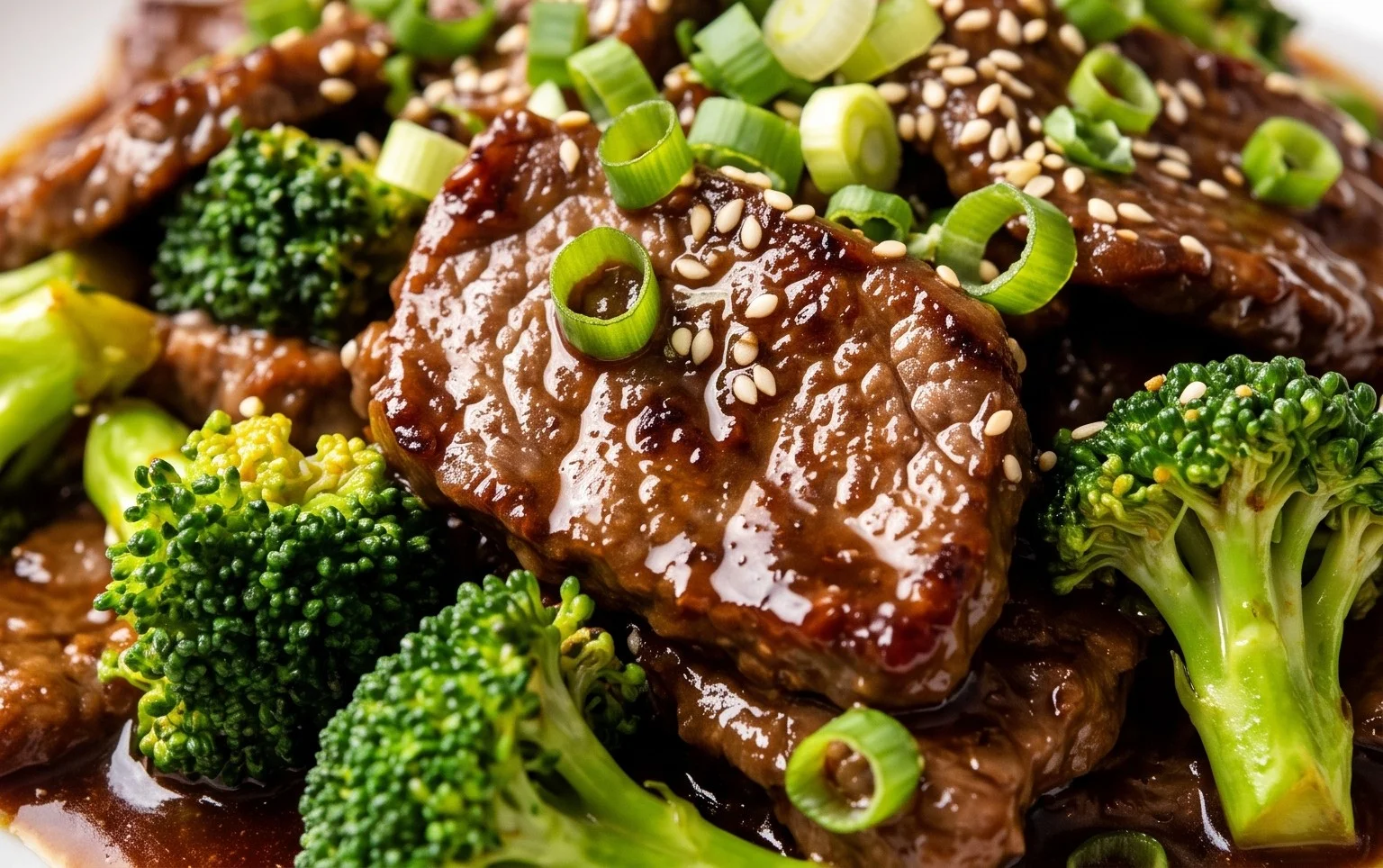
Making Chinese Beef and Broccoli at home is genuinely rewarding. You get perfectly tender beef, bright, crisp broccoli, and a savory sauce that coats everything beautifully. It’s a weeknight hero that always satisfies and impresses. Serve it hot over steamed rice for a complete meal that rivals your favorite Chinese restaurant. For a different take, try adding a sprinkle of toasted sesame seeds or a few chili flakes to the finished dish for a little extra crunch and heat. You can also swap the broccoli for other crisp vegetables like snow peas or bell peppers if you like.
Why is this Chinese Beef and Broccoli so good?
This recipe focuses on the small details that make a big difference: thin slicing against the grain for tender beef, and the quick marinade that tenderizes and flavors. The sauce uses a balanced mix of savory, sweet, and slightly tangy notes, thickened just right to cling to the ingredients.
What can I serve with Beef and Broccoli?
Steamed white or brown rice is the classic pairing. For something a bit different, consider serving it with fried rice, lo mein noodles, or even quinoa. A simple side of hot and sour soup or egg drop soup would also be lovely.
Can I make the sauce ahead of time?
Yes, you can mix the sauce ingredients together and store them in an airtight container in the refrigerator for up to 2 days. Just give it a good shake or stir before using, as the cornstarch might settle.
Chinese Beef and Broccoli (牛肉炒西兰花)
A classic and flavorful Chinese stir-fry featuring tender beef and crisp broccoli in a savory sauce.
Ingredients
-
1 lb flank steak, skirt steak, or other cut
-
1 tablespoon soy sauce
-
1 tablespoon peanut oil
-
1 tablespoon cornstarch
-
1/2 teaspoon baking soda (Optional)
-
1/2 cup chicken stock
-
2 tablespoons Shaoxing vinegar
-
2 tablespoons soy sauce
-
1 teaspoon dark soy sauce
-
2 teaspoons brown sugar
-
1 tablespoon cornstarch
-
1 head broccoli, cut to bite-size florets
-
1 tablespoon peanut oil
-
3 garlic cloves, minced
-
2 teaspoons ginger, minced
Instructions
-
Step 1
Slice beef thinly against the grain. In a bowl, combine beef with 1 tablespoon soy sauce, 1 tablespoon peanut oil, 1 tablespoon cornstarch, and baking soda (if using). Marinate for at least 10 minutes. -
Step 2
In a separate bowl, whisk together chicken stock, Shaoxing vinegar, 2 tablespoons soy sauce, dark soy sauce, and brown sugar. Set aside. -
Step 3
Heat 1 tablespoon peanut oil in a wok or large skillet over high heat. Add beef in a single layer and stir-fry until browned. Remove beef from wok and set aside. -
Step 4
Add broccoli florets to the wok and stir-fry for 2-3 minutes until bright green and slightly tender-crisp. Add minced garlic and ginger and stir-fry for another 30 seconds until fragrant. -
Step 5
Return the beef to the wok. Pour the prepared sauce over the beef and broccoli. Stir in 1 tablespoon cornstarch and cook, stirring constantly, until the sauce thickens and coats everything. -
Step 6
Serve immediately over steamed rice.
Important Information
Nutrition Facts (Per Serving)
It is important to consider this information as approximate and not to use it as definitive health advice.
Allergy Information
Please check ingredients for potential allergens and consult a health professional if in doubt.


